Calf Ice Packs & Ice Sleeves: A Guide to Post-Run Recovery
Whether you’re a runner, cyclist, footballer or regular gym-goer, your calves can take a serious workload during training. After a hard run, long training session or demanding leg workout, many athletes turn to a calf ice pack as part of their post-exercise recovery routine.
Traditional ice packs for calves can provide targeted cold therapy, but they’re not always easy to keep in position. That’s why reusable calf ice sleeves and cold compression sleeves have become a popular alternative for athletes looking for a more convenient way to apply cold therapy to the lower leg.
In this guide, we look at the different types of calf ice packs, how cold compression works, when athletes commonly use ice packs for calf recovery, and what to look for when choosing a reusable calf ice pack or compression sleeve.
Why Are the Calves So Important for Runners?
The calf muscles play an important role in running, walking, jumping and many other athletic movements.
Located at the back of the lower leg, the calf is primarily made up of the gastrocnemius and soleus muscles. These muscles work repeatedly as you push off the ground while running and help manage the forces generated with every stride.
That repeated workload means runners often pay particular attention to calf recovery after running, especially after:
- Long-distance runs
- Sprint sessions
- Hill running
- Trail running
- Interval training
- High-volume running weeks
- Football and field sports
- Lower-body gym sessions
Post-run recovery can involve a combination of rest, hydration, nutrition, mobility work and other recovery techniques. Cold therapy and compression are also commonly used by athletes, although research into their effects and the optimal methods of recovery continues to evolve.
What Is a Calf Ice Pack?
A calf ice pack is simply a cold therapy product designed or positioned to cool the calf and lower leg.
Traditional options include a reusable gel ice pack, frozen cold pack or ice bag held against the calf. More specialised products include wrap-around calf ice packs, compression wraps and wearable calf ice sleeves.
The basic objective is the same: applying cold directly to the targeted area.
However, the way different calf ice packs deliver that cold can vary considerably.
A standard rectangular gel pack may work well while sitting still, but because the calf is curved, it can be difficult to achieve consistent contact around the lower leg. The pack may also need to be held in place manually or secured using a towel, strap or bandage.
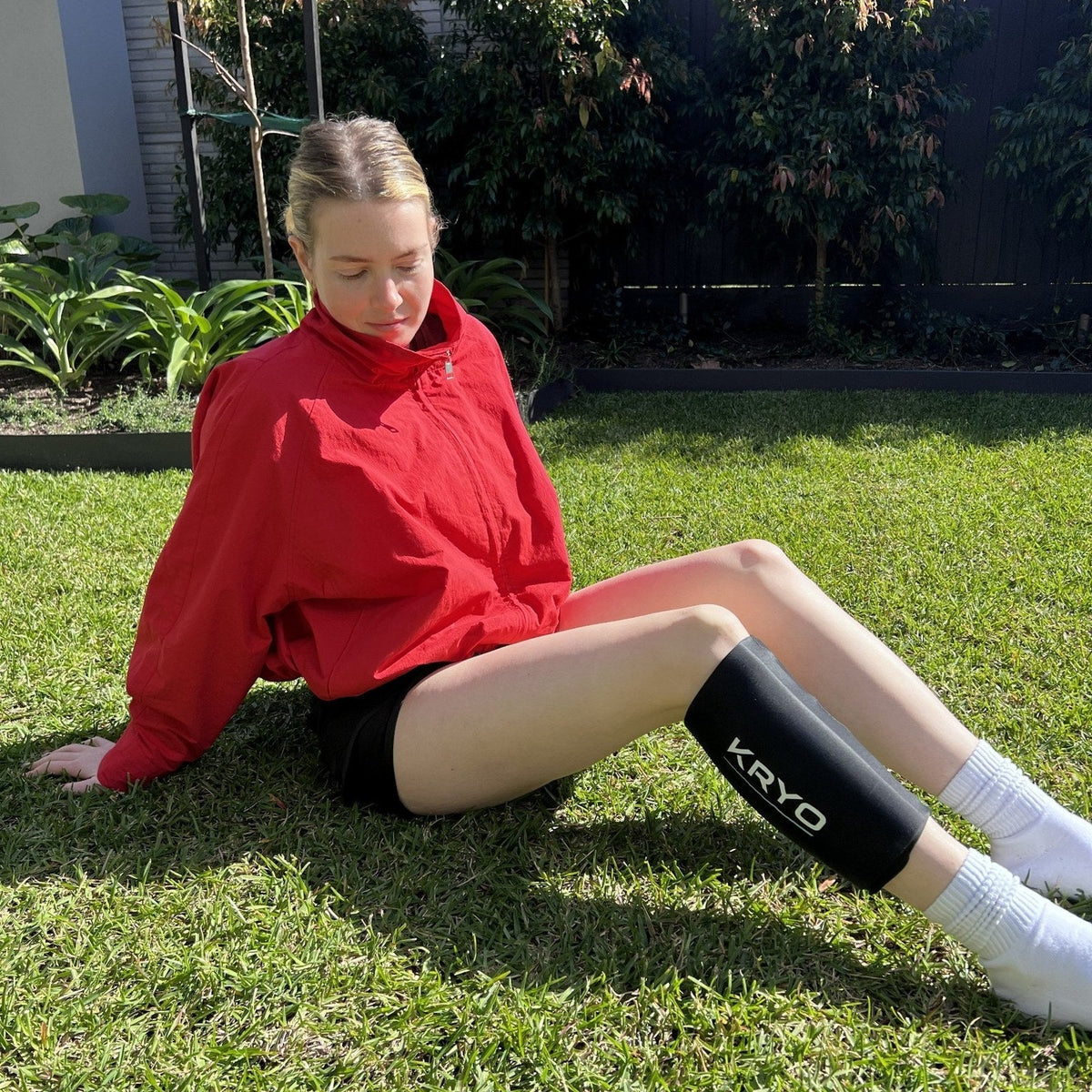
A wearable ice sleeve for the calf is designed differently. Rather than placing an ice pack against one side of the leg, the sleeve surrounds the calf and keeps the cooling material positioned against the body.
Calf Ice Pack vs Calf Ice Sleeve: What's the Difference?
If you're searching for the best ice pack for calves, you'll generally encounter two main designs.
Traditional Gel Ice Packs
A traditional gel ice pack for calf recovery is usually a flat reusable pouch containing cooling gel.
The main advantages are simplicity and versatility. One ice pack can potentially be used on several different parts of the body.
However, a traditional ice pack isn't specifically shaped around the calf. Because of this, you may need to hold it in place or use straps to maintain contact with the lower leg.
Calf Ice Compression Sleeves
A calf ice compression sleeve combines a wearable sleeve design with cooling gel.
Instead of balancing a cold pack against your leg, you simply pull the sleeve over the calf.
The sleeve can then provide cold coverage around the lower leg while the close-fitting design applies compression.
For runners and athletes who regularly use cold therapy, this can make a reusable ice sleeve for calf recovery considerably more convenient than trying to secure a traditional ice pack.
What Is Cold Compression?
Cold compression combines two commonly used recovery approaches: cold therapy and compression.
Cold therapy involves exposing a targeted area to lower temperatures, while compression involves applying external pressure to the body.
Both have long histories of use in sport and exercise recovery, although the scientific evidence varies depending on the particular technique, exercise and outcome being measured. Research into compression garments, for example, has found some potential recovery benefits but has not demonstrated consistent improvements across every measure or sporting situation.
A cold compression sleeve for the calf packages these two approaches into a single wearable product.
Rather than applying an ice pack and then separately securing it with a compression wrap, a gel compression sleeve can provide both cooling and compression in one product.
Why Use an Ice Pack After Running?
Running places repeated demands on the calves and lower legs, particularly during long runs, hill sessions, intervals and other high-intensity training.
After a demanding session, your calves may feel tired, heavy or worked. Using a calf ice pack after running is a simple way to incorporate cold therapy into your post-run recovery routine.
Some runners enjoy the cooling sensation immediately after exercise, particularly following harder sessions when the calves have been working overtime.
A recent systematic review examining recovery techniques after running found that evidence across recovery methods remains limited. Cryotherapy showed potential for reducing post-running discomfort compared with rest, although the researchers noted that the overall quality of evidence was low.
An ice pack for calf recovery shouldn't be viewed as a replacement for the fundamentals of recovery, including sleep, appropriate training loads, hydration and nutrition.
Instead, cold therapy can be one convenient part of a broader post-run recovery routine.
When Might Runners Use a Calf Ice Pack?
There isn't one universal post-running recovery routine that suits every athlete.
However, runners commonly reach for an ice pack for their calves after particularly demanding sessions such as long runs, intervals, hill sessions or races.
For example, after finishing a long weekend run, a runner might hydrate, refuel, change out of their running gear and then use a reusable calf ice pack or ice sleeve while relaxing at home.
The convenience of a wearable sleeve becomes particularly noticeable here.
Rather than sitting still and holding a traditional ice pack against each calf, a calf compression ice sleeve can simply be pulled into position.
For athletes training several times each week, making recovery easy and repeatable can be just as important as having an elaborate recovery routine.
What Should You Look for in a Calf Ice Pack?
Not all ice packs for calves are designed the same way.
If you're comparing traditional ice packs, gel packs and wearable ice sleeves, consider the following factors.
1. Calf Coverage
The calf is a relatively large, curved muscle group.
A small rectangular ice pack may only make contact with one section of the lower leg.
A purpose-designed calf ice sleeve can provide more consistent coverage around the calf rather than cooling only one side.
2. Fit
A calf ice pack isn't particularly useful if you constantly need to reposition it.
Look for something that sits comfortably and securely against the lower leg.
A wearable compression ice sleeve can eliminate the need for separate straps or wraps.
3. Gel Thickness
The amount and distribution of cooling gel can affect how a reusable ice pack feels and how it performs.
A very thin layer of gel may warm relatively quickly, while thicker gel construction can provide greater cooling mass.
4. Flexibility
An ice pack for the calf needs to conform to the shape of the lower leg.
This is particularly important with frozen gel products. A product that becomes extremely rigid when frozen may be less comfortable to wrap around the calf.
5. Reusability
For regular runners, a reusable calf ice pack makes considerably more sense than disposable alternatives.
Freeze it, use it, allow it to return to temperature and place it back in the freezer for the next session.
6. Compression
If you want both cooling and compression, consider a calf ice compression sleeve rather than a conventional loose ice pack.
This combines the two functions without requiring a separate compression bandage or wrap.
Are Calf Ice Packs Only for Runners?
Definitely not.
Although calf ice packs for runners are a common use case, the calf muscles are heavily involved across many sports and forms of exercise.
A reusable calf ice sleeve can be useful as part of a recovery routine after:
Football and soccer: repeated running, acceleration and changes of direction place significant demands on the lower legs.
Cycling: the calves contribute throughout the pedal stroke and can feel heavily worked after longer or harder rides.
Gym training: calf raises, squats, lunges, sled work and other lower-body exercises can all load the calves.
Hiking: long climbs and descents can create substantial lower-leg fatigue.
Court sports: tennis, basketball, netball and similar sports involve repeated jumping, sprinting and changes of direction.
That's why a good calf ice pack or compression sleeve can be useful beyond running alone.
Can You Use an Ice Sleeve on Both the Knee and Calf?
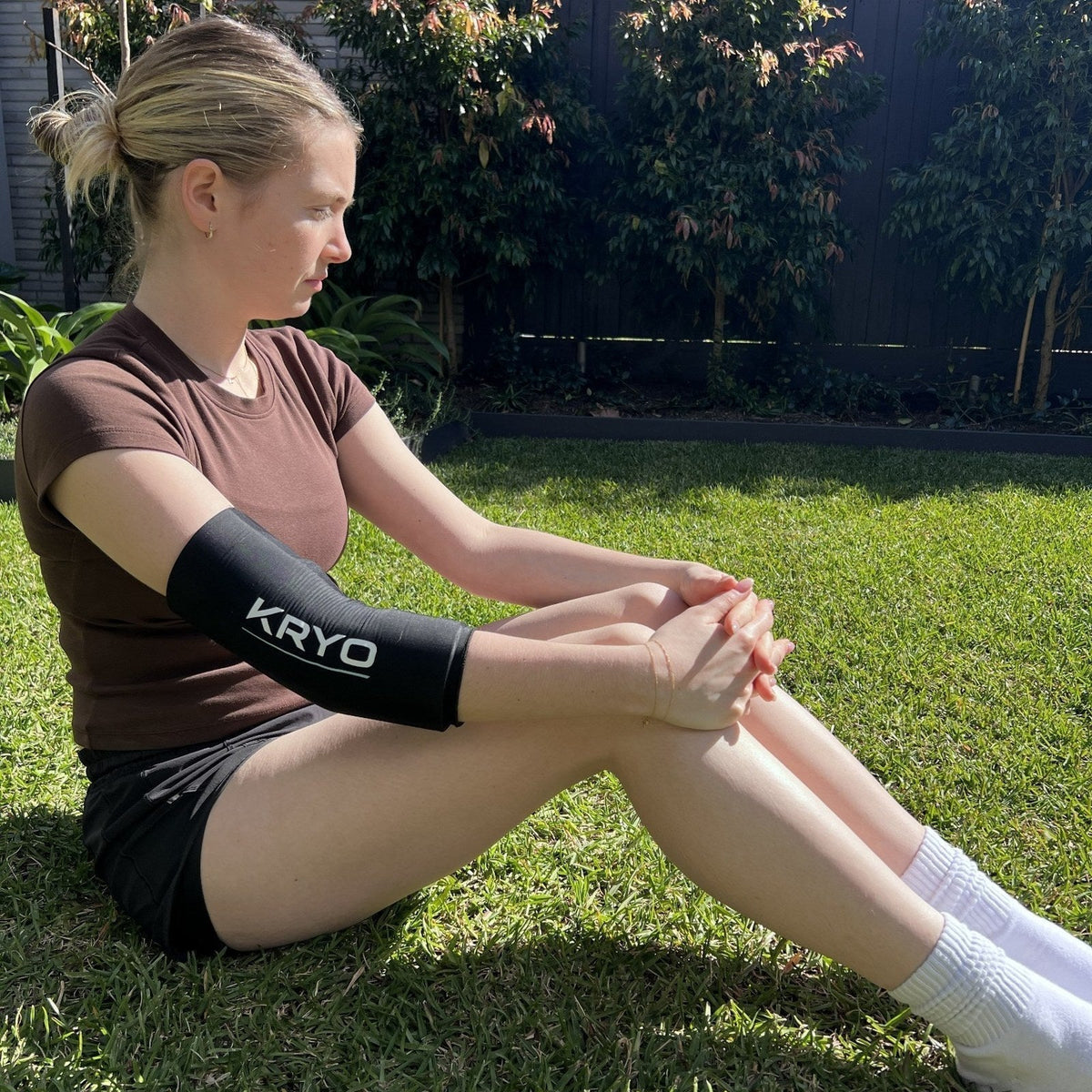
Some reusable ice compression sleeves are designed to fit multiple areas of the lower body.
This can be particularly useful because the knee and calf are two areas runners frequently target as part of their recovery routines.
Instead of purchasing completely different products, a suitably sized knee and calf ice sleeve can potentially be positioned over either area.
This versatility is one of the reasons wearable gel sleeves can be useful additions to a home recovery setup.
Calf Ice Pack or Knee Ice Pack?
It depends entirely on the area you're targeting.
For the calf, position your cold pack or compression sleeve around the muscular area of the lower leg.
For the knee, you'll generally want coverage centred around the knee joint.
If you regularly run or train your lower body, choosing a reusable sleeve capable of covering both the knee and calf gives you greater flexibility from a single recovery product.
Reusable Calf Ice Packs vs Disposable Ice Packs
For athletes training regularly, reusable products have an obvious practical advantage.
A reusable gel ice pack for calves can be kept in the freezer and used repeatedly, meaning it's ready whenever you finish a session.
Disposable instant cold packs can still be useful when you're away from home or don't have access to a freezer, but they're generally less practical as an everyday post-training solution.
A reusable calf ice sleeve also removes the need to continually prepare bags of ice or replace disposable packs.
For someone running three, four or five times per week, convenience adds up quickly.
How to Use a Calf Ice Sleeve After Running
Always follow the instructions supplied with your particular product.
With a reusable gel sleeve, the process is generally straightforward:
Place the sleeve in the freezer according to the manufacturer's instructions. Once appropriately chilled, remove it from the freezer and position it over the calf.
The sleeve should feel secure and comfortable rather than excessively tight.
After use, allow the sleeve to return to temperature as directed before returning it to storage or the freezer.
If you have an injury, persistent calf pain, significant swelling or you're unsure whether cold therapy is appropriate for you, seek advice from a qualified healthcare professional rather than relying on an ice pack as treatment.
KRYO CORE: A Calf Ice Compression Sleeve Built for Recovery
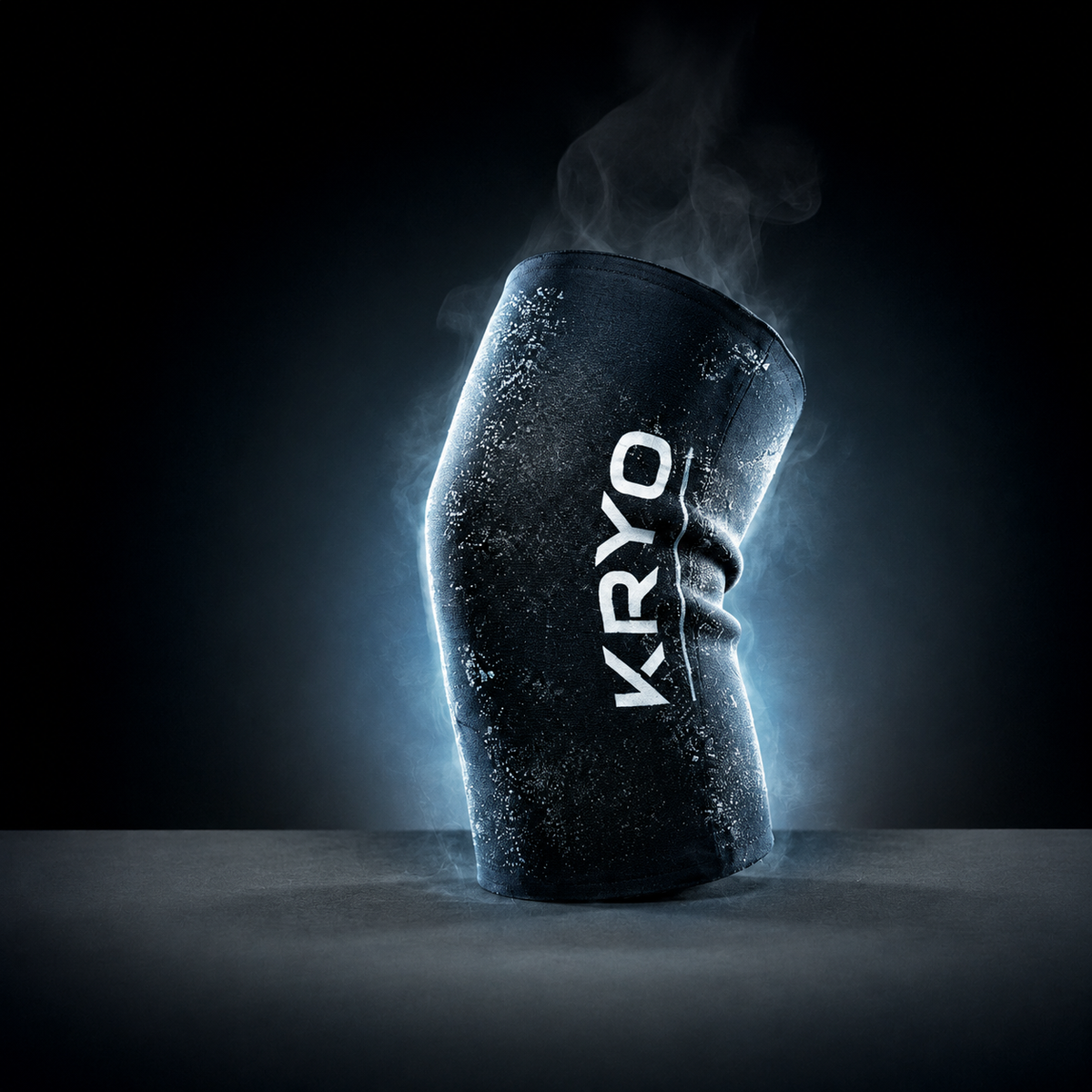
The KRYO CORE Compression Sleeve is designed for both knee and calf recovery, making it particularly versatile for runners and athletes.
Instead of using a traditional calf ice pack that needs to be held or strapped into position, CORE uses a wearable design that slips directly over the lower leg.
It combines extra-thick CryoGel Technology with 360° compression coverage, providing targeted cold compression around the calf. It is also reusable and can be used for both cold and heat therapy.
For runners, that means one sleeve can be used as a:
- Calf ice pack
- Calf ice sleeve
- Calf compression sleeve
- Knee ice pack
- Knee ice sleeve
- Reusable cold therapy sleeve
- Hot and cold compression sleeve
That versatility is also why CORE has become the most popular sleeve in the KRYO range.
Why Choose a Wearable Calf Ice Sleeve?
Traditional ice packs still have their place.
But if you're regularly applying cold therapy after running or training, a wearable calf ice sleeve offers several practical advantages.
There's no loose ice pack to balance against your leg. There's no separate strap required to hold the pack in place. And because the sleeve wraps around the calf, you can achieve more complete coverage than with many traditional flat ice packs.
For regular runners, athletes and active people, that simplicity can make a reusable calf ice compression sleeve an easy addition to a post-training recovery routine.
Build a Better Post-Run Recovery Routine
A good recovery routine doesn't need to be complicated.
Appropriate training load, sleep, hydration and nutrition remain fundamental. Depending on your training and preferences, you might also incorporate mobility work, stretching, foam rolling, compression or cold therapy.
Recovery research suggests athletes should think of recovery devices as additions to those fundamentals rather than substitutes for them.
For runners who enjoy cold therapy after training, having a reusable calf ice pack ready in the freezer makes the process simple.
And if you want cold therapy and compression in a single wearable product, a calf ice compression sleeve can provide a convenient alternative to a traditional gel ice pack.
Looking for a Reusable Calf Ice Pack?
The KRYO CORE Compression Sleeve is purpose-built for knee and calf recovery, combining extra-thick CryoGel Technology with comfortable 360° compression.
Freeze it. Wear it. Recover.