Best Ice Packs for Sports Recovery: What to Look for in a Reusable Ice Pack
Whether you’ve just finished a long run, a hard gym session or a big weekend of sport, an ice pack is one of the simplest pieces of recovery equipment to keep ready in the freezer.
But not all ice packs are the same.
Traditional gel packs can be useful, but they can also slide around, provide limited coverage or require you to hold them in place. Newer reusable ice packs and cold compression sleeves are designed to make cold application easier, more comfortable and better suited to an active lifestyle.
So, what should you look for when choosing the best ice pack for sports recovery?
Here are some of the key things to consider.
1. Look for Good Coverage
One of the limitations of a traditional rectangular ice pack is that it generally cools only the area directly underneath it.
That might be fine for a small, targeted area, but larger muscle groups and joints can be more difficult to cover.
For areas such as the:
-
knees
-
calves
-
thighs
-
hamstrings
-
quads
-
elbows
-
arms
-
ankles
a wrap-around ice pack or compression sleeve can provide more complete coverage.
Instead of balancing a flat ice pack on one side of your leg, a sleeve-style design can surround the area being cooled.
2. Consider How Much Cooling Gel You’re Actually Getting
The amount and thickness of cooling gel can make a significant difference to the feel and performance of a reusable ice pack.
Very thin gel packs may cool quickly, but they can also warm relatively quickly once removed from the freezer.
For sports recovery, look for a product with enough gel to provide substantial cold coverage without making the product impractical to wear.
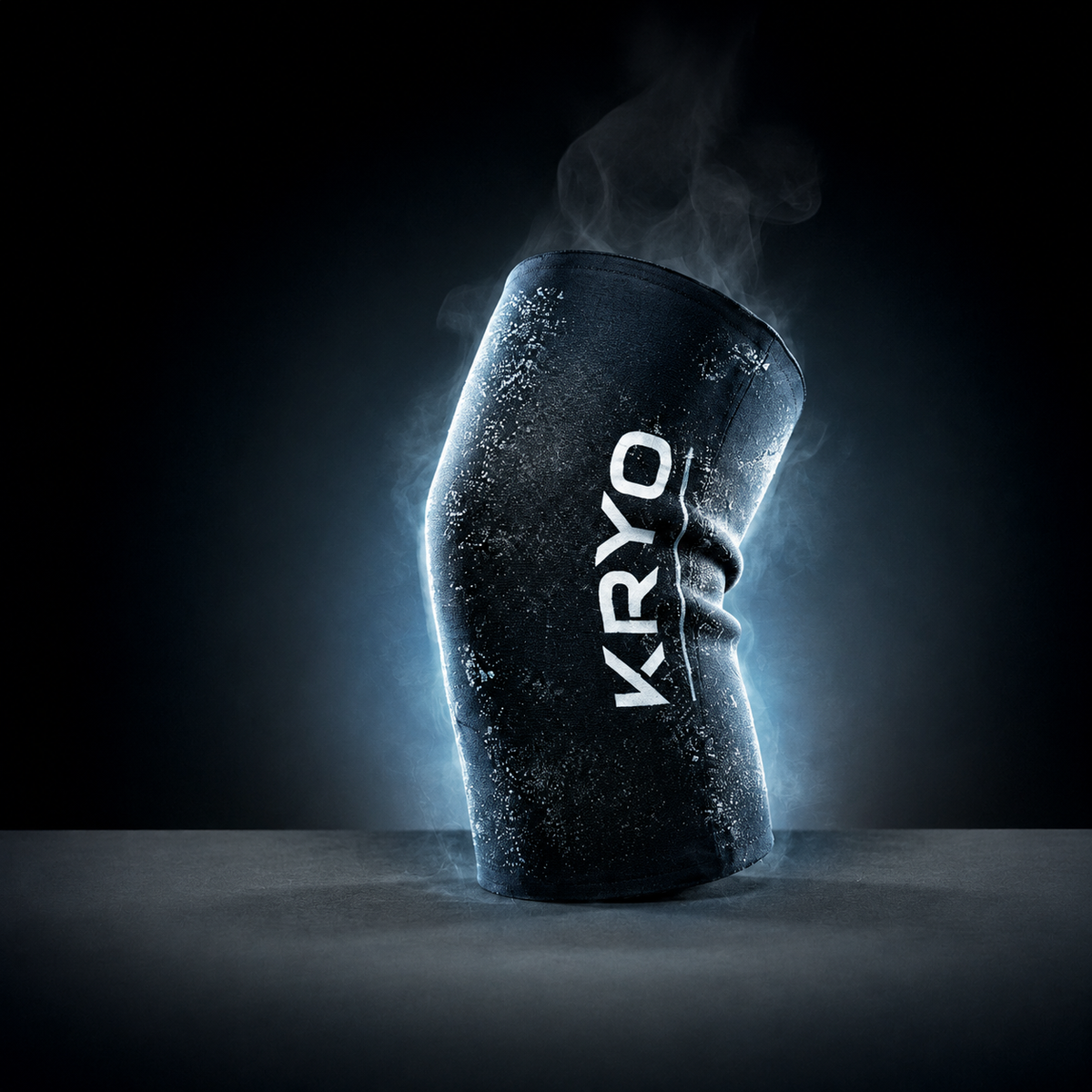
KRYO compression sleeves, for example, use extra-thick CryoGel, designed to provide substantial thermal mass while still allowing the sleeve to conform around the body.
3. Choose an Ice Pack That Stays in Place
Anyone who has tried balancing an ice pack on their knee while sitting on the couch knows the problem.
Move your leg and the ice pack moves with it — or ends up on the floor.
This is where wearable ice packs can be particularly convenient.
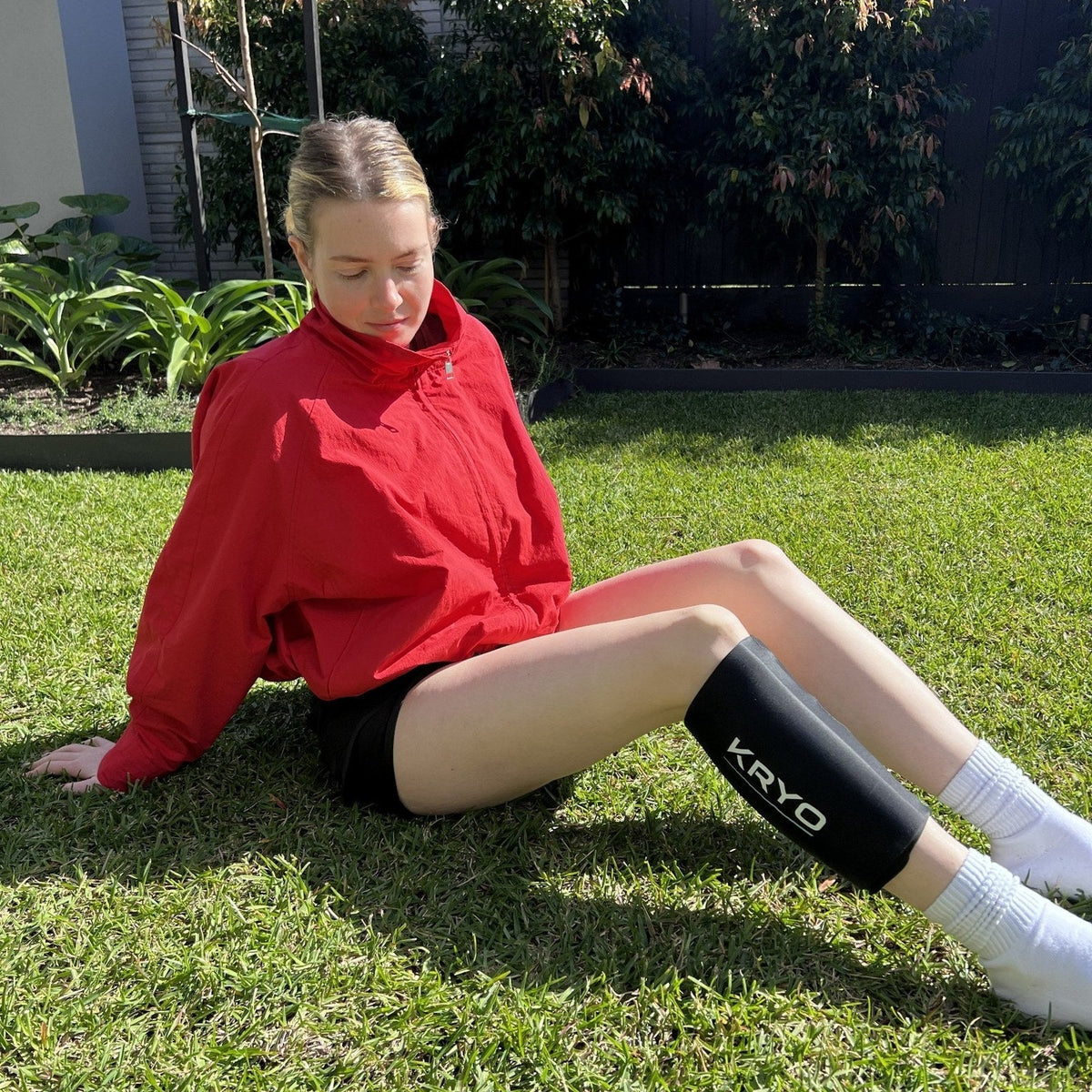
A compression ice sleeve stays positioned around the targeted area, meaning you don't need to continually hold or reposition a loose gel pack.
For athletes who regularly use cold therapy after training, convenience matters. A product that is easy to grab from the freezer and put on is much more likely to become part of a consistent recovery routine.
4. Compression Can Be a Useful Addition
Cold and compression are often used together in the management of some soft-tissue sporting injuries.
Australian health guidance includes ice and compression among the immediate management measures commonly suggested for sprains and strains.
A compression ice sleeve combines these two functions in a single product.
Rather than using a separate ice pack and compression bandage, the gel itself forms part of a stretchable sleeve that provides gentle, even compression around the area.
For general sports recovery, this can also provide a secure, close-fitting feel while keeping the cold surface in contact with the targeted muscle or joint.
5. Make Sure It Remains Flexible
A rock-hard frozen pack isn't particularly useful when you're trying to wrap it around a knee, elbow or thigh.
A good reusable gel ice pack should remain sufficiently flexible when cold to contour around the body.
This becomes particularly important for joints and curved areas where a flat, rigid pack may leave sections without direct contact.
A flexible sleeve design can conform more naturally around different parts of the body while maintaining coverage.
6. Match the Ice Pack to the Body Area
There isn't necessarily one “best ice pack” for every part of the body.
The right choice depends on where you intend to use it.
Knee Ice Packs
For knees, look for something that can comfortably wrap around the joint rather than cooling only the front of the knee.
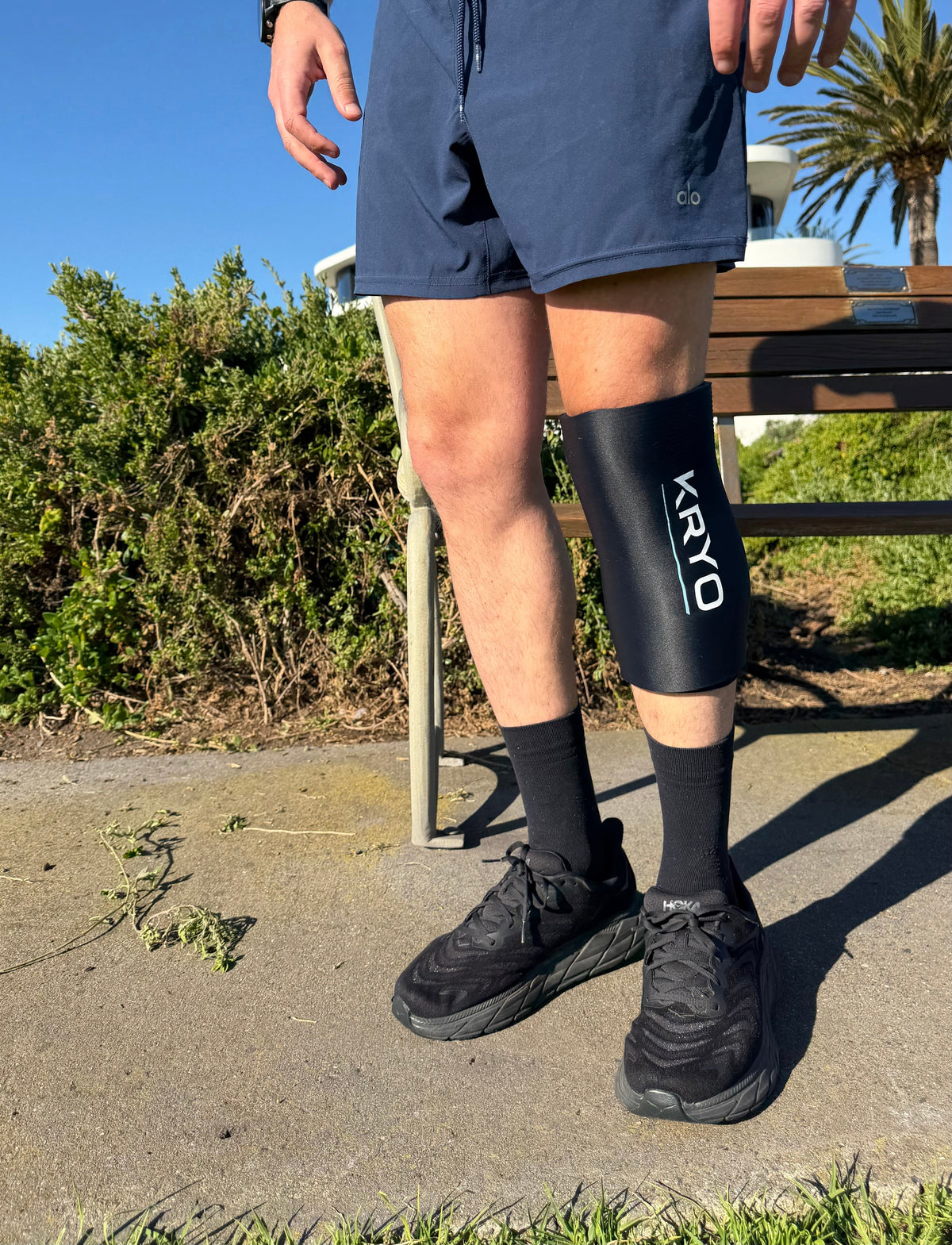
A purpose-sized compression sleeve can provide coverage around the knee while remaining hands-free.
Elbow, Arm and Ankle Ice Packs
Smaller areas generally need a smaller, more flexible product.
An oversized ice pack may be difficult to position securely, particularly around the elbow or lower arm.
Thigh, Quad and Hamstring Ice Packs
Larger muscle groups require significantly more coverage.
For quads, hamstrings and thighs, look for a larger ice pack or compression sleeve designed specifically for bigger areas rather than trying to stretch a small knee product beyond its intended use.
7. Reusable Beats Constantly Making Ice
For regular training, reusable gel ice packs are simply convenient.
Keep them in the freezer and they're ready when you need them.
There's no filling bags with ice, dealing with melting water or repeatedly buying disposable instant cold packs.
For runners, gym users and athletes training several times each week, a quality reusable ice pack can become a permanent part of the recovery kit.
8. Hot and Cold Versatility Is Worth Considering
Some reusable gel products can be used for both cold and heat applications.
That versatility can make one product useful in different recovery routines rather than having separate equipment for each.
Always follow the product's heating and cooling instructions carefully, and if you're managing an injury or medical condition, follow the advice of your doctor, physiotherapist or other healthcare professional.
Traditional Ice Pack vs Compression Ice Sleeve
The biggest difference comes down to coverage and convenience.
A traditional gel ice pack is simple and can work well when you need to target one small area.
A compression ice sleeve takes a different approach. Instead of placing an ice pack against the body, the cooling gel surrounds the targeted area as part of a wearable sleeve.
That can provide:
-
greater wrap-around coverage
-
hands-free use
-
built-in compression
-
more consistent contact with the body
-
easier application around joints and muscles
Neither approach needs to be right for every situation. The best option depends on the body area, the type of activity and how you prefer to incorporate cold into your recovery routine.
What Is the Best Ice Pack for Sports Recovery?
The best ice pack is ultimately the one that suits where and how you intend to use it.
For occasional, highly targeted use, a basic reusable gel pack may be all you need.
For regular runners, gym users and athletes, a purpose-designed compression ice sleeve may offer a more practical solution — particularly when you want wrap-around coverage and don't want to hold an ice pack in position.
When comparing options, look for:
-
sufficient cooling gel
-
good coverage
-
flexibility
-
a secure fit
-
reusable construction
-
appropriate sizing
-
easy freezer storage
-
compression, if desired
Most importantly, choose something you'll actually use consistently.
A Different Approach to the Traditional Ice Pack
At KRYO, we designed our range as an alternative to the traditional loose ice pack.
KRYO sleeves combine extra-thick CryoGel with 360° compression in a wearable design that can be kept in the freezer ready for your next recovery session.
The range includes three sizes designed for different areas of the body:
KRYO FLEX — our smallest sleeve, designed for areas including the elbow, arm and ankle.
KRYO CORE — designed for areas including the knee and calf.
KRYO MAX — our largest sleeve, designed for larger muscle groups including the thigh, quad and hamstring.
No straps. No loose ice packs. Just cold compression in a simple pull-on sleeve.
Discover KRYO and find the right compression ice sleeve for your recovery routine.
This article provides general information only and is not medical advice. Cold therapy may not be appropriate for every injury or medical condition. If you have an injury, persistent pain or swelling, or are unsure whether cold or compression is appropriate for you, seek advice from a qualified healthcare professional.