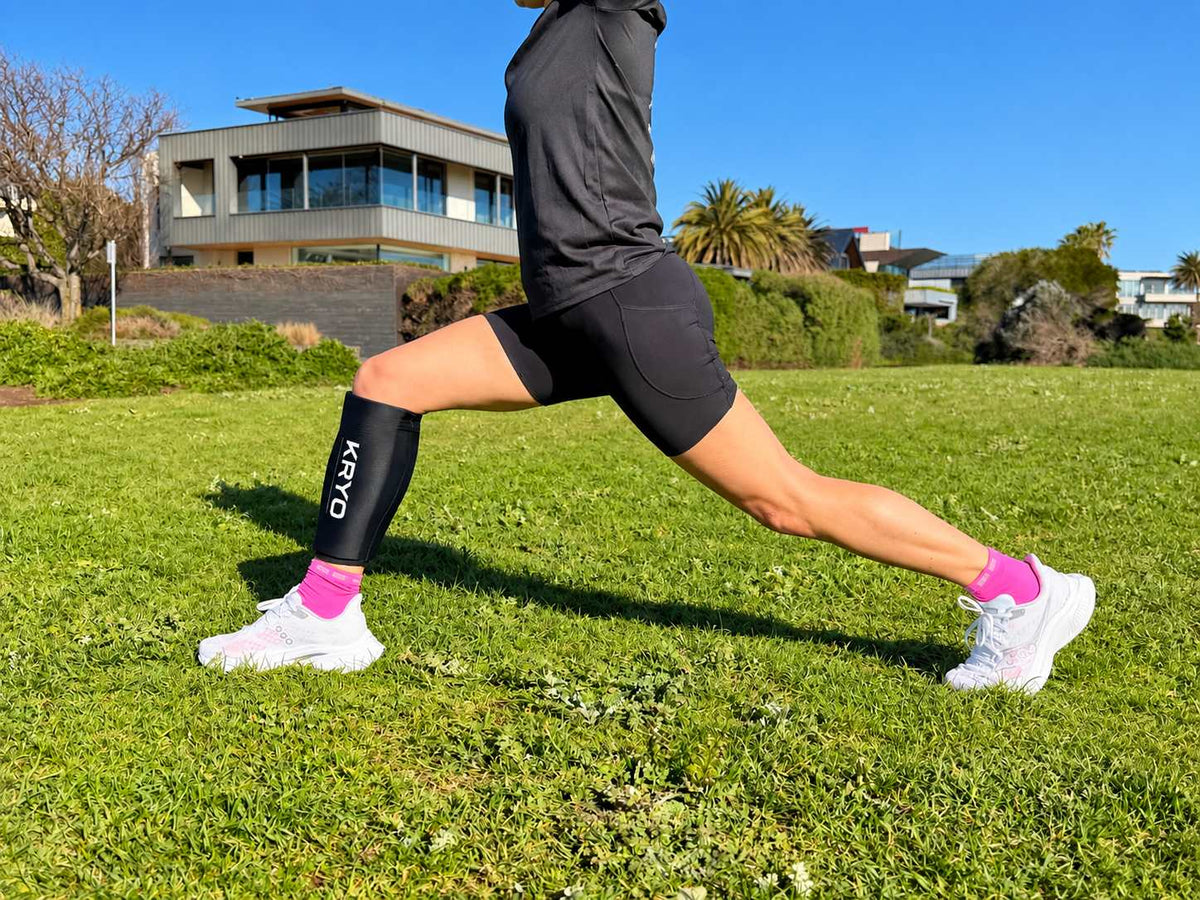
Article: Ice Packs for Runners: A Guide to Post-Run Recovery
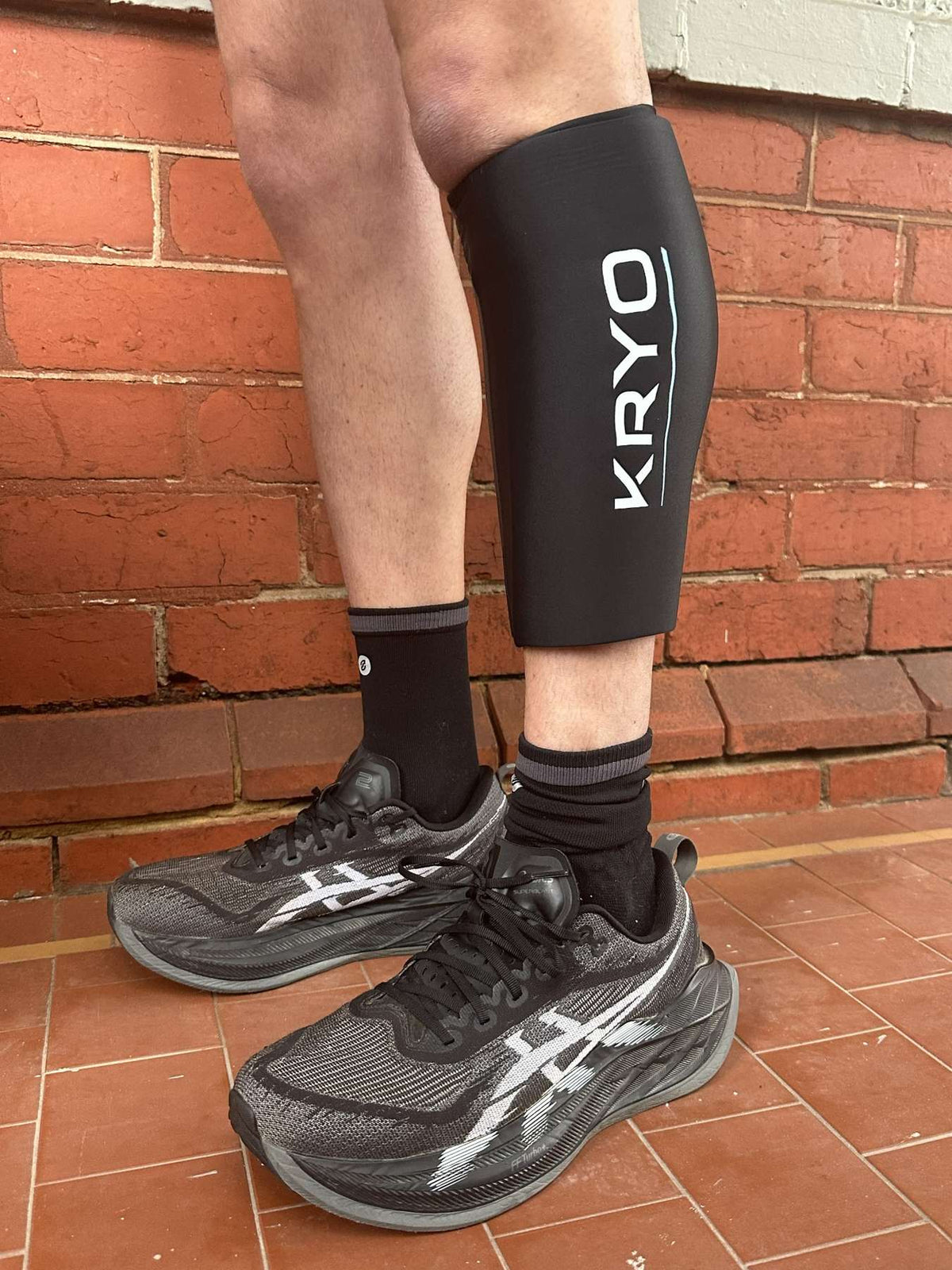
Ice Packs for Runners: A Guide to Post-Run Recovery
Whether it’s an easy 5K, a long Sunday run or a hard training session, running puts repeated load through the legs. That’s why recovery can be just as important to a runner’s routine as the kilometres themselves.
For many runners, ice packs are a simple way to add targeted cold therapy to a post-run routine. Traditional gel packs can do the job, but wearable ice packs and ice compression sleeves offer another option for runners who want cold coverage without having to sit still holding an ice pack in place.
So, what should runners actually look for in an ice pack — and where do wearable ice sleeves fit into a modern recovery routine?
Why Do Runners Use Ice Packs?
Running can leave the legs feeling tired and worked, particularly after long-distance sessions, speed work, hills or back-to-back training days.
Cold therapy has long been used in sport and exercise settings, although research on its effects on recovery is mixed and depends on the type of cooling, timing and outcome being measured. For many athletes, the practical appeal is straightforward: cold can be incorporated into a post-training routine as a simple recovery tool.
For runners, common areas for targeted cold therapy include the:
- knees
- calves
- quads
- hamstrings
- ankles and lower legs
The challenge with a conventional ice pack is often less about getting something cold and more about keeping it comfortably positioned where you actually want it.
That’s where wearable ice packs can be useful.
Traditional Ice Packs vs Wearable Ice Packs for Runners
A traditional gel ice pack is simple: freeze it, wrap or secure it around the desired area, and use it while resting.
But anyone who has tried balancing a rectangular ice pack against their calf or knee knows the problem. It can slide, bunch up or require a strap, towel or hand to keep it where you want it.
A wearable ice compression sleeve takes a different approach.
Instead of placing a small cold pack against one part of the leg, a flexible gel-filled sleeve wraps around the area. This can provide more consistent coverage while allowing you to move around the house, stretch out on the couch or get on with your post-run routine.
For runners, that convenience matters.
Run. Recover. Go again.
What Should Runners Look for in an Ice Pack?
Not every ice pack is particularly practical for running recovery. If you're choosing one for regular use after training, there are a few things worth considering.
1. Coverage
Think about where you usually want cold after running.
A small ice pack may work well for a very specific area, while a larger wearable sleeve can cover more of the knee, calf, quad or hamstring at once.
For runners wanting to target the knee or calf, a medium-sized ice compression sleeve can be particularly versatile because the same product can be worn in different positions.
2. Flexibility
An ice pack isn't much use if it becomes a frozen brick.
For post-run use, look for a gel pack or sleeve designed to remain sufficiently flexible when frozen so that it can contour around the leg rather than simply sitting on top of it.
That becomes especially useful around areas such as the knee and calf, where a flat rectangular pack doesn't naturally follow the shape of the body.
3. Hands-Free Fit
After a run, the last thing most runners want to do is spend their recovery session holding an ice pack against their leg.
A wearable design can make cold therapy considerably easier to incorporate into an everyday routine.
Pull it on. Get comfortable. Recover.
4. Reusability
If you're running several times each week, disposable cold packs don't make much sense.
A reusable ice pack can simply live in the freezer between sessions, ready for your next run.
5. The Right Size
The best ice pack depends on where you want to use it.
A runner targeting the knee and calf will generally want something different from someone looking for broad coverage across the quad or hamstring.
That’s one reason we designed KRYO sleeves in multiple sizes rather than treating every recovery area the same.
Ice Packs for Knees After Running
The knee is one of the most obvious areas runners think about when considering an ice pack.
Traditional knee ice packs commonly use straps to hold a gel pack against the joint. Another option is a 360° ice compression sleeve, which surrounds the area rather than cooling from only one side.
KRYO CORE, for example, is designed to be worn around either the knee or calf, making it a versatile option for runners who want one reusable sleeve for different lower-leg recovery routines.
Ice Packs for Calves After Running
Calves do a huge amount of work while running, particularly during hills, faster sessions and longer distances.
For runners wanting targeted cold around the calf, a wearable ice sleeve can be easier to use than trying to secure a conventional rectangular ice pack around the lower leg.
The same KRYO CORE sleeve can be positioned around the calf, providing cold coverage around the area while remaining hands-free.
If calf recovery is a regular part of your routine, you can also read our guide to calf ice packs and ice sleeves for post-run recovery
Ice Packs for Quads and Hamstrings
Long runs aren't only about knees and calves.
The quads and hamstrings can feel heavily worked after demanding sessions, which is where a larger-format ice pack becomes useful.
KRYO MAX is designed for larger muscle groups including the quad and hamstring, offering broader cold coverage than a small conventional gel pack.
For runners building up mileage, tackling hills or combining running with gym training, having both a knee/calf sleeve and a larger upper-leg option can create a more versatile recovery setup.

Can You Use Two Ice Sleeves at Once?
Yes — and for runners, this can be particularly convenient.
Instead of finishing a run and cooling one leg before swapping to the other, two wearable sleeves allow you to cool both legs at the same time.
That could mean:
both knees → both calves → recovery done.
It's one reason some runners prefer keeping a pair of ice sleeves in the freezer rather than relying on a single traditional ice pack.
EXPLORE THE KRYO PERFORMANCE 2-PACK →

When Should Runners Use Cold Therapy?
There isn't a universal post-run cooling routine that is right for every runner or every training session.
Research into post-exercise cooling has produced varying results depending on the cooling method and the recovery outcome being measured. Some research reports benefits for soreness or certain recovery measures, while other studies — including research specifically involving recreational runners after a 10 km run — have found no performance-recovery advantage over rest.
It's also worth remembering that cold immediately before returning to demanding exercise isn't necessarily desirable. Research has found that substantial local cooling can temporarily reduce measures such as strength, power and agility, particularly after longer cooling periods.
For KRYO, we therefore think about cold therapy as part of the recovery side of the routine:
TRAIN → RECOVER → GO AGAIN.
Follow the directions supplied with your cold product, avoid excessive exposure, and seek professional advice if you're dealing with an injury or persistent symptoms rather than ordinary post-training recovery.
Are Ice Compression Sleeves Worth It for Runners?
If you already use ice packs regularly, an ice compression sleeve can simply make the process more convenient.
There's no bucket of ice to prepare. No loose pack to hold against your leg. No complicated recovery machine.
Keep your sleeve in the freezer and it's ready when you get home from a run.
For runners, the biggest practical advantages are:
reusable cold + wearable compression + broad coverage + hands-free convenience.
And because different sleeve sizes can cover areas from the arm through to the calf, knee, quad and hamstring, the same recovery system can work across running, gym training and everyday sport.
A Simpler Post-Run Recovery Routine
Recovery doesn't need to be complicated.
Hydrate. Refuel. Rest. Move appropriately. And if cold therapy is part of your routine, make it easy enough that you'll actually use it.
That's the thinking behind KRYO.
Our reusable ice compression sleeves are designed in Australia for runners, athletes and everyday active people who want a simple way to incorporate hot or cold therapy into their recovery routine.
Keep them in the freezer.
Finish your run.
Pull one on.
TRAIN → RECOVER → GO AGAIN. ❄️